
Meet Kelly Wetherick: Discovering the Hidden History of the Isle of Wight
Published 9 October 2026 · Updated 18 October 2026
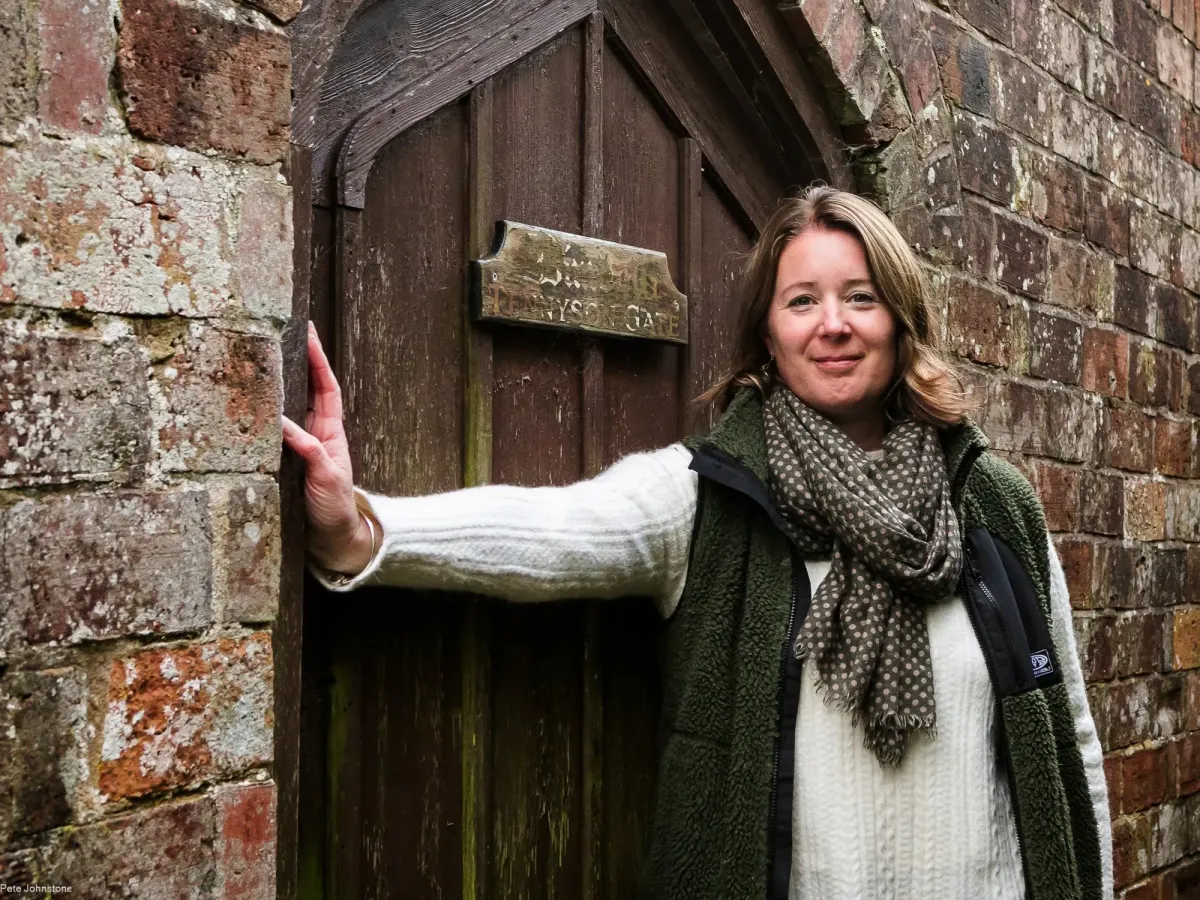
Kelly Wetherick is a landscape archaeologist and the founder of Discover Wight, who leads guided walks that reveal the history written into the Isle of Wight's paths, downs and coast. She hosts Vectis Revealed at The Fig Tree in Shanklin from 23 to 25 October 2026.
Quick facts: Kelly Wetherick and Vectis Revealed
- Kelly Wetherick is a landscape archaeologist and founder of Discover Wight
- Event: Vectis Revealed: Ancient Paths and Island Stories
- Dates: 23 to 25 October 2026
- Place: The Fig Tree Hotel, 10 Queen's Road, Shanklin, Isle of Wight
- Includes expert-led walks, talks, and lunch and dinner on both days
- Details on our events page or by phone on 01983 241 010
Why look beyond the scenery?
The Isle of Wight is famous for its beaches, dramatic cliffs, rolling countryside and coastal views. But beneath the scenery lies another island: ancient pathways, prehistoric monuments, lost settlements, sacred places, working landscapes and stories stretching back thousands of years.
Most of us can walk through this landscape and appreciate its beauty. Kelly Wetherick sees something more. Through guided walks, bespoke tours, talks, workshops and community archaeology, she encourages people to slow down, look more closely and discover the clues hidden within the landscape. With Kelly as your guide, a walk becomes a journey through time.
What is a landscape archaeologist?
When we think about archaeology, many of us imagine excavations, ancient pottery or objects carefully displayed in museums. Landscape archaeology takes a wider view. Rather than examining an object or monument in isolation, a landscape archaeologist considers how it relates to everything around it.
Why was a monument built in that particular place? Where did the people who created it live? How did they travel through the area? What could they see from that position? How did the land affect the way they farmed, gathered, worshipped or defended themselves?
Kelly describes landscape archaeology as a holistic practice. A mound in a field may be more than a curious shape. A pathway could follow a route used for centuries. The position of a settlement may reflect access to water, shelter, farmland or important viewpoints. When the clues are brought together, the landscape tells a much richer story.
What is Kelly's connection to the island?
Kelly's interest is not purely academic. She came to live on the Isle of Wight at the age of nine and spent much of her childhood on her aunt's farm at Farringford in West Wight. Growing up around a working farm gave her an early appreciation of the relationship between people and the land.
She also grew up surrounded by the history of Alfred, Lord Tennyson, who made Farringford his island home. Nearby Dimbola was the home of the pioneering Victorian photographer Julia Margaret Cameron. Tennyson, Cameron and other members of the creative community known as the Freshwater Circle drew inspiration from the landscape of West Wight.
That personal relationship gives Kelly's work a distinctive warmth. She is not simply interpreting a place she has studied. She is sharing a landscape she knows and values.
What does Discover Wight offer?
Discover Wight was created to help residents and visitors experience the island's history in a more personal way. It offers bespoke tours, guided walks, coach trips, talks, workshops and community archaeology experiences focused on the island's heritage.
These are not lists of names and dates. Kelly brings together archaeology, culture, geography and human stories. An experience might explore ancient routes across the chalk downs, investigate the setting of a prehistoric monument or reveal a settlement that has disappeared from the modern map. Others take in Roman, medieval, Victorian, Napoleonic and wartime history.
What stories are written into the landscape?
The island contains an extraordinary range of landscapes in a small area: chalk downs, agricultural plains, river valleys, wetlands, woodland, dramatic cliffs and coastal headlands. Each has influenced how people settled and used the island.
The first farmers began changing Britain's landscapes more than 5,000 years ago. Places such as the Longstone at Mottistone and the ancient earthworks around the downs provide evidence of those early communities. Later generations continued reshaping the island, with medieval settlements, windmills, farms, Napoleonic defences and wartime installations.
On Culver Down, a journey through the landscape can connect evidence of people using the headland thousands of years ago with Napoleonic fortifications and Second World War installations. At Bembridge, the windmill, River Yar, marshes and the lost village of Wolverton reveal another mix of human activity, natural change and forgotten settlement. Without an expert, it would be easy to walk straight past many of these stories.
Can a familiar place look different with a guide?
One of the most rewarding things about walking with Kelly is discovering that you do not always need to visit somewhere new to feel a sense of adventure.
Tennyson Down is known for its sweeping views, which become more meaningful once you understand how prehistoric people travelled through the area. At Mottistone, the Longstone is not simply an unusual landmark; its position prompts questions about why Neolithic people chose that spot. At Brading Roman Villa, the story extends beyond the building to the surrounding fields, routes and hidden features.
Kelly does not simply point to something and tell you its age. She encourages you to consider why it is there, how it relates to other features and what it can reveal about the people who came before us.
How does community archaeology work?
Discover Wight's work extends beyond guided tourism. Community archaeology gives people the chance to investigate and understand the island's past, whether by exploring material culture, examining finds or learning how archaeologists interpret evidence.
Archaeology is not only about preserving objects. It is also about strengthening people's connection to the places where they live. People do not need specialist knowledge before taking part. Curiosity and a willingness to look more closely are enough.
How are heritage and nature linked?
The island's landscapes are not untouched scenery. They have developed through thousands of years of interaction between people, animals, farming, vegetation, geology and climate. The chalk grassland on the downs has been shaped by generations of grazing, and changes in land management can let scrub and trees return, altering both the look of the landscape and its biodiversity.
This connection between archaeology, nature and community is especially relevant on the Isle of Wight, which was designated a UNESCO Biosphere Reserve in 2019. Our guide to coastal walks near Shanklin and our walking breaks page show how much there is to explore.
Why do guided walks create lasting memories?
Facts are easier to remember when they are connected to a place and a story. You may forget a date on an information board, but you are far more likely to remember a story told beside an ancient monument.
A guidebook cannot respond when someone spots an unusual feature. Kelly can explore those questions and help walkers learn to read the landscape. Walking also lets you feel changes in elevation, sound and atmosphere, which helps you imagine how the landscape felt to earlier communities.
What is Vectis Revealed?
This October, guests at The Fig Tree can discover the island through Kelly's eyes. Vectis Revealed: Ancient Paths and Island Stories takes place from 23 to 25 October 2026. Hosted by Kelly Wetherick, the exclusive two-day heritage experience includes expert-led walks, talks, and lunch and dinner on both days.
It is made for people who enjoy history, walking, archaeology and the stories behind the places they visit. There is no need to research routes or plan activities. Kelly will help you notice the clues and understand their significance. Read more in our post on the Vectis Revealed walking weekend, or see our events page.
How do you stay for the event?
You can attend the two-day event or treat yourself to a stay with us, which makes a heritage break in Shanklin. Look through our rooms, with breakfast included in every rate, free parking and Wi-Fi. Check-in is from 3pm and check-out by 11am. See getting here for ferry routes, and things to do in Shanklin for the rest of your stay.
To reserve a room, Book Now. To ask about the event, call 01983 241 010 or email events@thefigtreehotel.co.uk.
Come for the walk. Leave seeing the Isle of Wight differently.
Frequently asked questions
Who is Kelly Wetherick? Kelly Wetherick is a landscape archaeologist and the founder of Discover Wight. She leads guided walks, bespoke tours, talks, workshops and community archaeology on the Isle of Wight, helping people read the history written into the landscape.
What is landscape archaeology? Landscape archaeology looks at how monuments, routes, settlements and the natural environment relate to each other, rather than studying one object alone. It asks why something was placed where it was and how people moved around it.
What is Vectis Revealed? Vectis Revealed: Ancient Paths and Island Stories is a two-day heritage experience hosted by Kelly Wetherick at The Fig Tree from 23 to 25 October 2026. It includes expert-led walks, talks, and lunch and dinner on both days.
Do I need archaeology knowledge to join a walk? No. Curiosity and a willingness to look more closely are enough. Kelly's approach is to make archaeology accessible, helping you notice clues and understand how the pieces of a landscape connect.
Can I stay at The Fig Tree for the event? Yes. You can attend the two-day event or treat yourself to a stay with us, which makes a heritage break in Shanklin. Breakfast is included in every room rate. Book direct for our best rates.
Frequently asked questions
- Who is Kelly Wetherick?
- Kelly Wetherick is a landscape archaeologist and the founder of Discover Wight. She leads guided walks, bespoke tours, talks, workshops and community archaeology on the Isle of Wight, helping people read the history written into the landscape.
- What is landscape archaeology?
- Landscape archaeology looks at how monuments, routes, settlements and the natural environment relate to each other, rather than studying one object alone. It asks why something was placed where it was and how people moved around it.
- What is Vectis Revealed?
- Vectis Revealed: Ancient Paths and Island Stories is a two-day heritage experience hosted by Kelly Wetherick at The Fig Tree from 23 to 25 October 2026. It includes expert-led walks, talks, and lunch and dinner on both days.
- Do I need archaeology knowledge to join a walk?
- No. Curiosity and a willingness to look more closely are enough. Kelly's approach is to make archaeology accessible, helping you notice clues and understand how the pieces of a landscape connect.
- Can I stay at The Fig Tree for the event?
- Yes. You can attend the two-day event or treat yourself to a stay with us, which makes a heritage break in Shanklin. Breakfast is included in every room rate. Book direct for our best rates.
Plan your stay
Stay with us at The Fig Tree in Shanklin. Breakfast is included, parking and Wi-Fi are free, and there is a lift to every floor.